During PRODUCTION QUALITY PROCEDURE
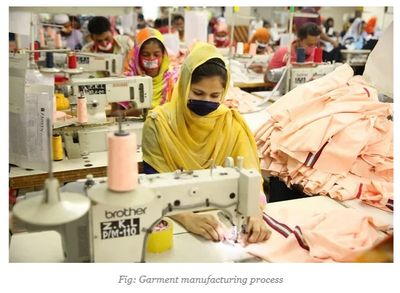
Overview
During production (or in-line) quality procedures in the garment industry are critical for catching defects early, preventing them from spreading across entire batches, and ensuring products meet buyer specifications before they are finished.
Production quality procedures in the garment industry involve systematic inspection throughout the manufacturing cycle to ensure standards, covering raw material inspection (fabrics/trims), inline inspections during sewing (15–20% completion), and final audits (AQL sampling). Key focus areas include measurement accuracy, sewing quality, functional checks (zippers/buttons), and packaging compliance to prevent defects and minimize rejections.
Key Stages of production Control
· Pre-Production (Raw Material Inspection): 100% check of fabric for defects, color consistency, and shrinkage. Trims (zippers, buttons, labels) are verified against specifications.
· Inline Inspection (During Production): Conducted at 15-20% production completion, this checks cutting accuracy, sewing quality (SPI - stitches per inch, seam allowance), and garment measurements. It catches errors early at the source.
· Final Inspection (Pre-shipment Inspection): Performed when 80% or more of the order is packed. It uses AQL (Acceptable Quality Level) standards to inspect the finished product for visual defects, measurement accuracy, and functionality.
· Specialized Checks: Includes needle detection (metal detection) for safety, rubbing tests for colorfastness, and odor tests.
Key Stages of Inline Production
In-line quality control (QC) is typically conducted when 15–20% of the order is completed to allow for real-time adjustments.
· Cutting Section Checks:
Marker Accuracy: Verifying markers match pattern pieces and grain lines.
Lay Inspection: Ensuring correct ply count, tension-free spreading, and alignment.
Cut-Piece Audit: Checking that cut panels match the original pattern dimensions and have smooth edges without fraying.
· Sewing Section Monitoring:
Stitch Quality: Verifying Stitches Per Inch (SPI), tension, and density to prevent loose or broken stitches.
- Seam Integrity: Testing seam strength and checking for puckering, open seams, or raw edges.
- Symmetry and Fit: Comparing left and right sides (e.g., sleeves, pockets) for alignment and checking measurements against the Tech Pack size chart.
- Machine Setup: Regular checks on needle sizes and machine calibration to avoid fabric damage or skipped stitches.
Common Quality Control Methods
Factories use several systematic approaches to maintain standards on the floor:
· Traffic Light System: A visual control method where operators are assigned green (good), yellow (warning), or red (stop production) flags based on their defect rates.
· 7-Piece Inspection System: A localized check where a QC inspector evaluates seven consecutive pieces from a single operator to identify recurring errors at the source.
· Roaming Inspections: Inspectors move randomly across production lines to perform spot checks on different operations.
· Statistical Process Control (SPC): Using control charts and data to track variations and take immediate corrective actions when limits are exceeded.
Essential Checkpoints & Tools
Checkpoint Key Parameters Inspected Common Tools Used
Material Shade matching, fabric defects Pantone
and hand feel. swatches, lightbox.
Measurements Tolerance levels ±0.5cm to Measuring
±2.5cm for all key points. tape, calipers.
Accessories Button/zipper Snaps Pull gauge,
functionality pull strength, fatigue tester.
and secure attachment.
Labels Correct care instructions, size, Barcode scanners.
fiber content, and origin.
Modern Digital Integration
Many modern factories now use Digital Quality Management Systems (QMS) like BlueKaktus or Tekmon to replace paper-based checklists. These tools provide:
· Real-time Dashboards: Immediate visibility of defect rates by operator or line.
· AI Defect Tracking: Using machine vision to detect fabric flaws or stitching errors instantly.
· Automated Reporting: Instant PDF generation of inspection results for buyers.
Documentation and Methods
· AQL (Acceptable Quality Limit): Standardized sampling methods to determine the number of acceptable defects in a batch.
· SOPs (Standard Operating Procedures): Detailed guidelines for workers to ensure consistency across batches.
· Audit Checks: Daily pre-final audits to detect and correct issues early.